Vitamin K1: what it does, where it comes from, and how Zivolife fits in
Most people know vitamin K for one thing: blood clotting. But vitamin K is also involved in proteins important to bone metabolism, and the way we obtain it matters.
Zivolife naturally contains vitamin K1, also known as phylloquinone, the form of vitamin K found primarily in plants. Unlike an isolated vitamin supplement, the vitamin K1 in Zivolife is not added or fortified. It occurs naturally within the whole organism, alongside its protein, fiber, essential fatty acids, carotenoids, polyphenols and other naturally occurring nutrients.
At a 3-gram daily serving, Zivolife naturally provides 64 mcg of vitamin K, or 50% of the Daily Value, as part of its whole-food matrix.
First, the warfarin context
Vitamin K is sometimes treated as something to avoid because of its well-known interaction with warfarin and similar vitamin K antagonist medications.
That distinction matters.
Warfarin works by interfering with vitamin K activity and reducing the production of vitamin K-dependent clotting factors. For people taking warfarin or another vitamin K antagonist, the goal is generally not to eliminate vitamin K from the diet. Instead, healthcare guidance emphasizes keeping vitamin K intake reasonably consistent, because significant changes can affect the medication's anticoagulant effect.
People taking warfarin or another vitamin K antagonist should therefore talk with their healthcare provider before making a significant change to their usual vitamin K intake, including adding a regular new source.
This is a specific drug-nutrient interaction. It should not be confused with the normal role vitamin K plays in a healthy diet.
What vitamin K1 does in the body
Vitamin K1 is the primary dietary form of vitamin K and is found predominantly in green leafy vegetables, vegetable oils and certain other plant foods.
Its best-established role is as a cofactor needed to activate proteins involved in normal blood coagulation.
Vitamin K is also required for the carboxylation of osteocalcin, a vitamin K-dependent protein produced in bone. Osteocalcin is involved in bone mineralization and turnover, which is one reason researchers have studied the relationship between vitamin K status and bone health.
Observational studies have found associations between vitamin K intake and measures of bone health. Clinical trials of vitamin K supplementation, however, have produced mixed results, so vitamin K should not be viewed as a stand-alone solution for preventing bone loss or fractures.
Rather, it is one of the nutrients involved in normal bone metabolism.
K1 and K2 are related, but they are not the same thing
Vitamin K exists in several forms.
Vitamin K1, or phylloquinone, is the predominant form found in plants. Vitamin K2 refers to a family of compounds called menaquinones, found in varying amounts in fermented foods and some animal foods, and produced by certain bacteria.
Research has also established that the human body can convert some vitamin K1 into menaquinone-4, or MK-4, in certain tissues.
The extent and physiological significance of that conversion are still being studied, so K1 and K2 should not be treated as interchangeable. What is clear is that vitamin K1 is an important dietary form of vitamin K and contributes to the body's vitamin K status.
Why the food matrix matters
A microgram of a nutrient on paper does not necessarily tell you exactly how that nutrient will behave once eaten.
Vitamin K1 provides a good example.
Studies comparing vitamin K1 from leafy vegetables with isolated vitamin K1 preparations have found differences in absorption. K1 bound within plant tissue is generally absorbed less efficiently than free-form K1 from a supplement, and consuming dietary fat can influence its absorption.
This does not mean that one source is inherently "better" than another. It means that the food matrix matters.
That distinction is particularly relevant to Zivolife.
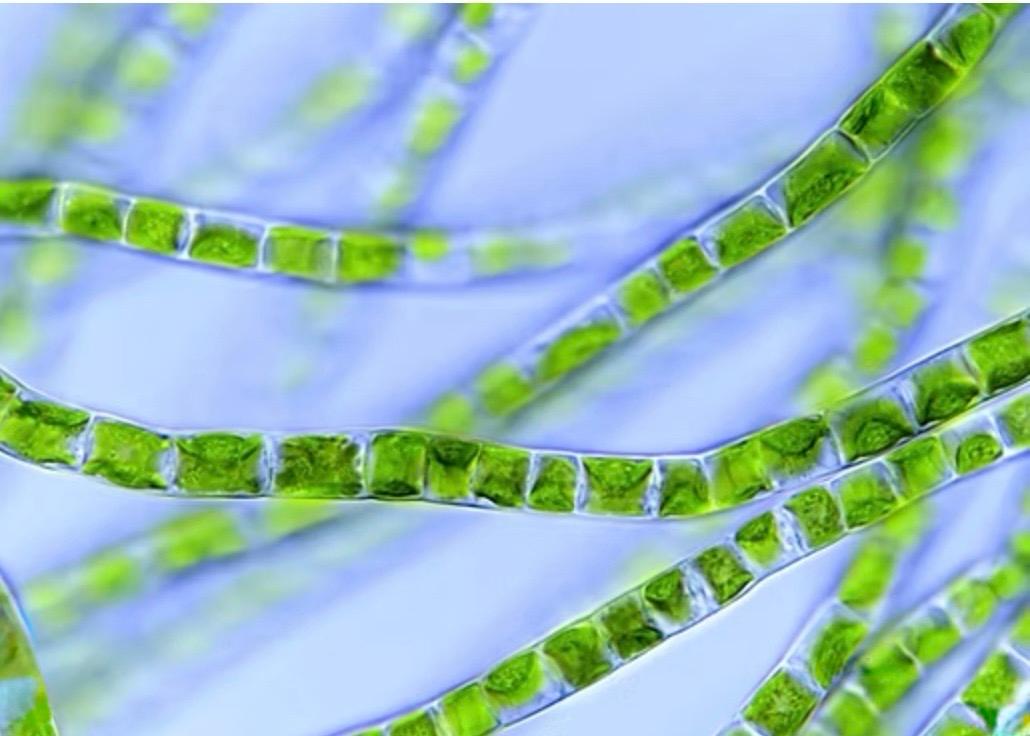
The vitamin K1 in Zivolife is not an isolated compound added to a formulation. It occurs naturally within Klebsormidium flaccidum var. ZL01, alongside the organism's naturally occurring lipids, protein, fiber and phytonutrients.
The specific absorption kinetics of vitamin K1 from Zivolife have not yet been studied, so we do not make claims about its bioavailability relative to supplements or other foods. What we can say is that its K1 is delivered in the whole-food matrix in which the organism naturally produces it.
Where Zivolife comes in
Zivolife is Klebsormidium flaccidum var. ZL01, a proprietary microalga from the Charophyte lineage most closely related to land plants. Its nutritional composition reflects what the organism naturally produces, including vitamin K1, rather than nutrients being added through fortification.
A daily 3-gram serving provides 64 mcg of naturally occurring vitamin K, or 50% of the Daily Value, alongside complete protein, dietary fiber, beta-glucans, essential fatty acids, iron, carotenoids, polyphenols and other naturally occurring nutrients and phytonutrients.
That is one of the key distinctions between Zivolife and a formulated supplement. A formula is typically created by selecting and combining individual ingredients to produce a desired nutritional profile. Zivolife begins with one organism, and its nutrients occur together as part of the natural composition of Klebsormidium flaccidum var. ZL01.
Vitamin K1 is one part of that broader nutritional picture.
Zivolife is a whole food, not a medicine. Third-party testing is conducted on every commercial lot. This article is for informational purposes only and is not a substitute for professional medical advice.
If you take warfarin or another vitamin K antagonist, talk with your healthcare provider before making significant changes to your vitamin K intake. If you take prescription medication or have a specific health condition, consult your healthcare provider about dietary supplements and significant changes to your nutrition routine.