Prebiotic fiber, beta-glucans, and gut barrier integrity: what the research shows
Fiber is one of the most researched areas in nutritional science, and one of the most misunderstood in consumer nutrition. Most people know fiber as something that supports digestion and regularity. The research tells a more specific and more interesting story, one that connects particular types of fiber to microbiome composition, gut barrier function, immune modulation, and systemic inflammation.
Zivolife contains a significant concentration of dietary fiber including beta-glucans at a level meaningfully higher than other commercially available microalgae. Here is what that means in practice.
Soluble and insoluble fiber: the basic distinction
Dietary fiber divides into two broad categories based on how it behaves in water.
Soluble fiber dissolves in water to form a viscous gel in the digestive tract. It slows gastric emptying, moderates post-meal blood sugar rises, and is readily fermented by gut bacteria. Beta-glucans are a form of soluble fiber.
Insoluble fiber does not dissolve in water. It adds bulk to stool, supports intestinal motility, and reduces transit time. Both types are present in Zivolife's fiber fraction.
The distinction matters because the two types contribute to gut health through different mechanisms. A whole food that contains both, in a natural matrix alongside protein, fatty acids, and bioactive compounds, provides more complete support than an isolated fiber supplement delivering one type alone.
Beta-glucans: mechanism and research
Beta-glucans are a specific class of soluble fiber composed of glucose molecules linked in a particular configuration that human digestive enzymes cannot break down. They pass through the small intestine intact and arrive in the colon structurally unchanged.
In the colon, specific bacterial species, including Bifidobacterium and Lactobacillus strains, ferment beta-glucans as a primary energy source. The principal byproduct of this fermentation is butyrate, a short-chain fatty acid with well-documented effects on gut barrier integrity.
Butyrate is the primary energy source for colonocytes, the epithelial cells lining the colon wall. Adequate butyrate availability supports the maintenance of tight junctions, the protein structures that control what passes through the gut lining into circulation. When tight junction integrity is compromised, larger undigested particles and bacterial components can cross the gut barrier, a condition associated with systemic inflammation and immune dysregulation.
The FDA has approved a specific health claim for oat beta-glucans and cardiovascular risk reduction, reflecting the strength of the evidence base for this compound class. Research has also documented beta-glucan effects on blood glucose regulation, immune cell activation, and natural killer cell function.
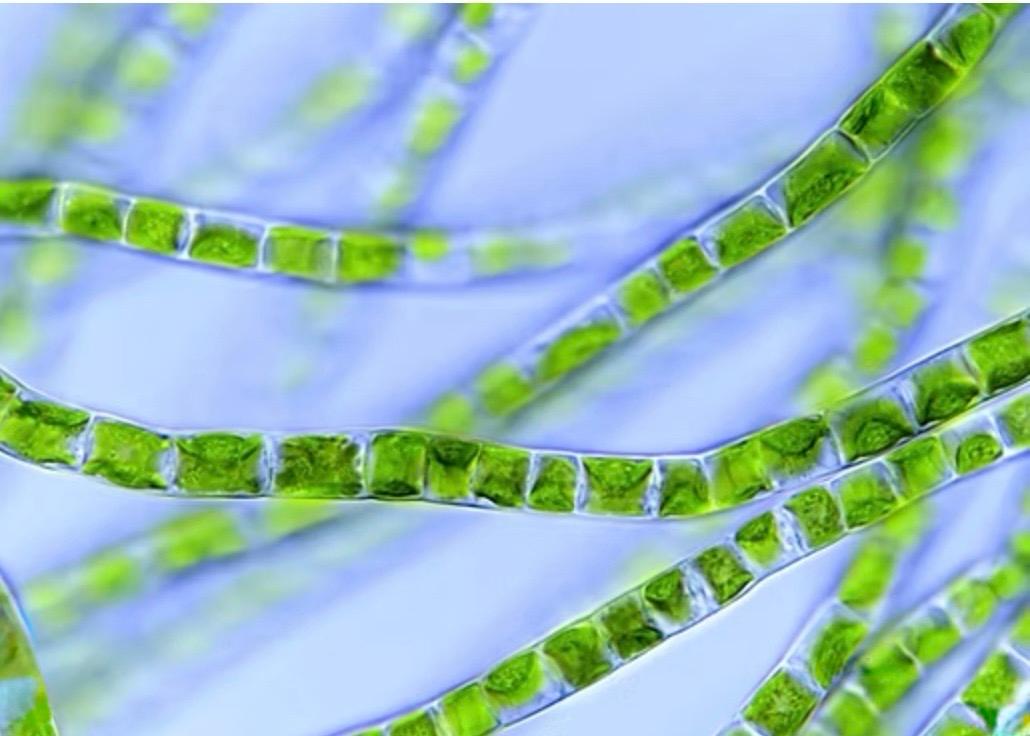
Zivolife's beta-glucan concentration is more than three times higher than that of spirulina. This is a structural characteristic of Klebsormidium flaccidum, beta-glucans are a component of the cell wall architecture unique to the Charophyte lineage, not an additive or extract.
The microbiome connection
The gut microbiome is not a passive inhabitant of the digestive tract. It is an active metabolic system that influences nutrient absorption, immune function, inflammatory tone, and signaling along the gut-brain axis.
Microbiome composition is shaped significantly by diet, and fiber is the primary dietary variable. Beneficial bacterial populations, including Bifidobacterium, Lactobacillus, and Faecalibacterium prausnitzii, depend on fermentable fiber as their primary energy source. When dietary fiber is insufficient, these populations decline and less beneficial species fill the available ecological space.
Beta-glucans function as selective prebiotics: they feed beneficial populations preferentially because the enzymes required to ferment them are not widely distributed across bacterial species. This selectivity supports microbial diversity rather than simply increasing bacterial mass.
Polyphenols, present in Zivolife at a concentration among the highest documented in any commercially available microalgae, contribute to this selectivity. Research has documented polyphenol effects on microbiome composition, with beneficial species selectively metabolizing polyphenols into anti-inflammatory compounds while pathogenic species do not.
Gut barrier integrity and systemic implications
The gut lining is a single cell layer thick. Its integrity depends on the continuous renewal of colonocytes, the maintenance of tight junction proteins, and adequate mucus production. All three are influenced by nutritional inputs.
Butyrate produced from beta-glucan fermentation is the primary energy source for colonocyte renewal. Polyphenols reduce oxidative stress at the gut wall, protecting the epithelial cells that maintain barrier function. Pheophorbide a, identified in the 2020 University of Mississippi study (Qiu et al., Molecules, 25(5), 1048), inhibits iNOS and NF-kB, the inflammatory signaling pathways that, when chronically activated, compromise tight junction integrity.
Complete protein, present in Zivolife at approximately 52g per 100g including all nine essential amino acids, supports the synthesis of the structural proteins involved in gut tissue repair and mucosal maintenance.
These inputs act through complementary mechanisms. This is a characteristic of whole food nutrition that isolated fiber supplements cannot replicate. The compounds are present together, in natural ratios, interacting the way the organism evolved to express them.
What the clinical research found
A randomized, double-blind, placebo-controlled trial published in Lipids in Health and Disease (Oben et al., 2007) found significant reductions in CRP and IL-6, primary markers of systemic inflammation, in participants consuming the organism in Zivolife over ten weeks. These outcomes are consistent with the gut barrier and microbiome mechanisms described above. Improved gut barrier integrity reduces the translocation of inflammatory bacterial components into circulation, which in turn reduces the systemic inflammatory burden reflected in CRP and IL-6 levels.
Safety and tolerability
Zivolife is designed for daily consistent use. A 90-day subchronic oral toxicity study established a No-Observed-Adverse-Effect Level of 9.7g per kilogram body weight per day. Non-mutagenic on both Ames assay and micronucleus assay. GRAS certified under 21 CFR §170.30(b). No allergens, no GMOs, no additives.
Some customers experience mild digestive changes in the first few days as gut bacteria adjust to an increased prebiotic fiber intake. Starting with half a serving for the first few days is a reasonable approach for anyone new to Zivolife.
How to take Zivolife
One serving is one stick pack, 3g. Mix into 12 to 16oz of water, any beverage, or a smoothie. No prep required. Daily consistency is where the benefits compound. Most customers report meaningful changes within two to four weeks.
If you have a diagnosed gastrointestinal condition or take medications that affect gut motility or absorption, consult your healthcare provider before making changes to your routine.
These statements have not been evaluated by the Food and Drug Administration. Zivolife is a whole food ingredient and is not intended to diagnose, treat, cure, or prevent any disease. Third-party testing by Eurofins Scientific is conducted on every commercial lot.